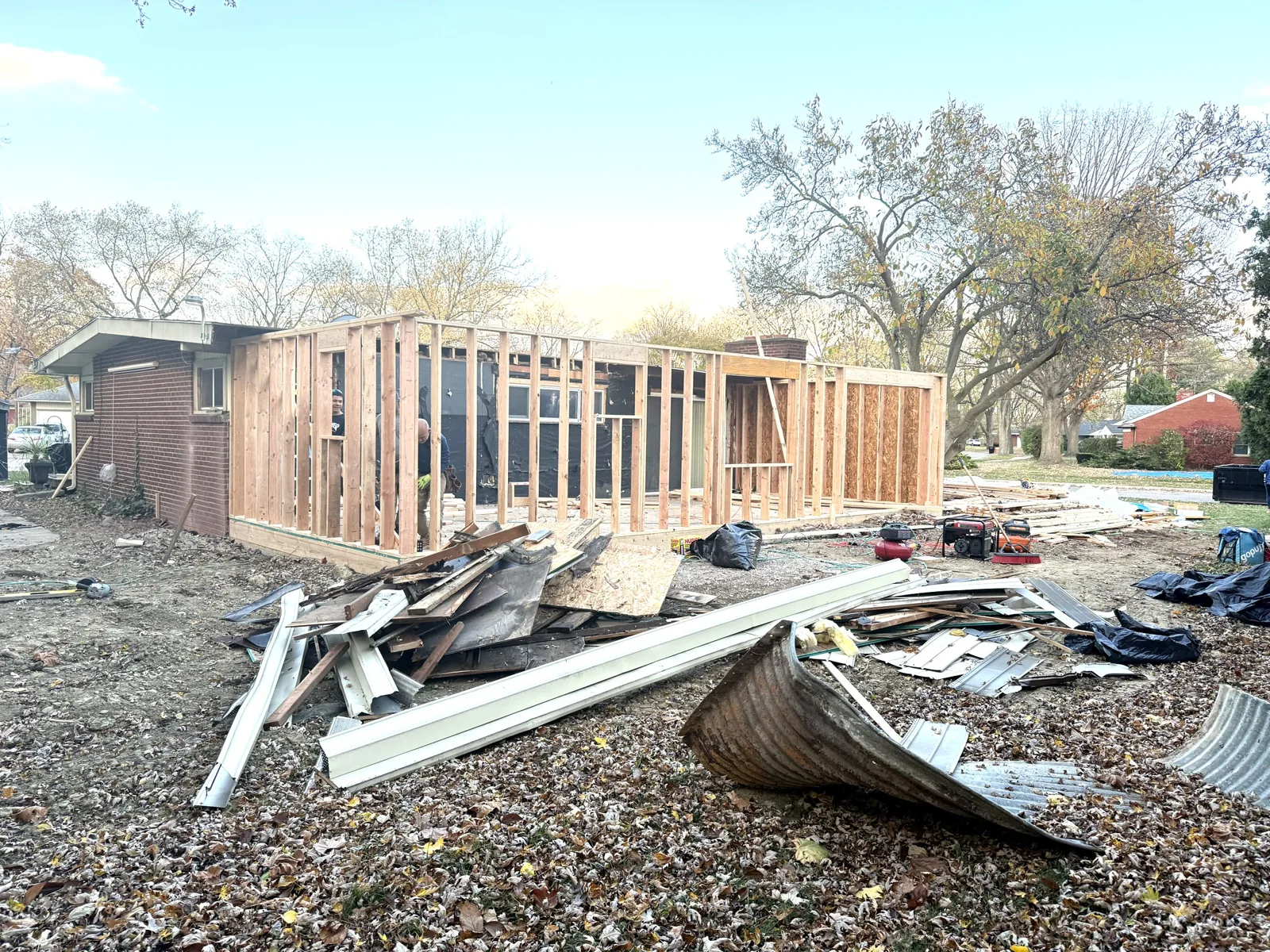
After 20 years of renovation work across Metro Detroit, I've watched the same story play out over and over: a homeowner picks the lowest bid, gets excited, and watches the price climb 30 to 50 percent past what they were quoted. It almost never happens by accident. Budget overruns are predictable once you know where they come from, and you can head most of them off before you ever sign a contract.
Where the Overruns Actually Come From
Vague Scope of Work
This is the number one cause. An estimate that says "new kitchen" without specifying whether that means new cabinet doors or full cabinetry replacement leaves room for two very different interpretations, yours and the contractor's. Work starts, you see the result, and you disagree about what was included. That disagreement becomes a change order. The fix is an estimate that lists items, not categories: what's being removed, what's being installed, and what brand and model, in writing.
Allowance Traps
An allowance is a placeholder budget for something you haven't picked yet, like plumbing fixtures or cabinet hardware. The estimate might carry a $2,500 allowance based on budget-tier fixtures. You go select something nicer, the difference shows up as a change order, and some contractors lowball the allowance on purpose so the bid looks better on paper. Ask what specific brand and model an allowance assumes before you sign, or make your selections before you get the estimate at all.
No Contingency for Hidden Conditions
Detroit's older housing stock makes this one especially common. You open a wall and find asbestos behind the plaster, pull tile and find mold in the subfloor, or inspect plumbing that's more corroded than it looked. These aren't mistakes, they're conditions nobody can see until the walls are open. A professional estimate builds in contingency for that. One that doesn't will hit you with a change order the moment something turns up.
Scope Creep and Change Order Abuse
"While we're in the walls, we should upgrade that HVAC unit" or "the inspector wants another outlet, that's another $600." Some of that is legitimate. Some of it is a contractor using change orders to make up margin they didn't build into the original bid. Either way, no additional work should happen without a written quote you approve first, not a verbal add-on during the job.
Chasing the Lowest Bid
If one estimate is significantly lower than the others for the same scope, something is off. Either the contractor doesn't fully understand the project, plans to cut corners, or plans to make up the difference through change orders once work is underway. A $50,000 kitchen quoted at $40,000 has a way of becoming a $60,000 kitchen. The same job quoted accurately at $50,000 tends to stay close to $50,000, plus contingency.
How to Protect Yourself
Get a detailed, line-item estimate, not a one-line summary. Ask exactly what permits are included and who is pulling them. Get specific brands and models attached to every allowance. Budget 15 to 20 percent contingency on any older Detroit home, on top of the estimate. Require a written change order, with a price and your signature, before any work outside the original scope begins. And award the job based on detailed scope, experience, and references, not the lowest number on the page.
None of this is complicated. It just takes asking the right questions before you sign, instead of after the drywall is already open.