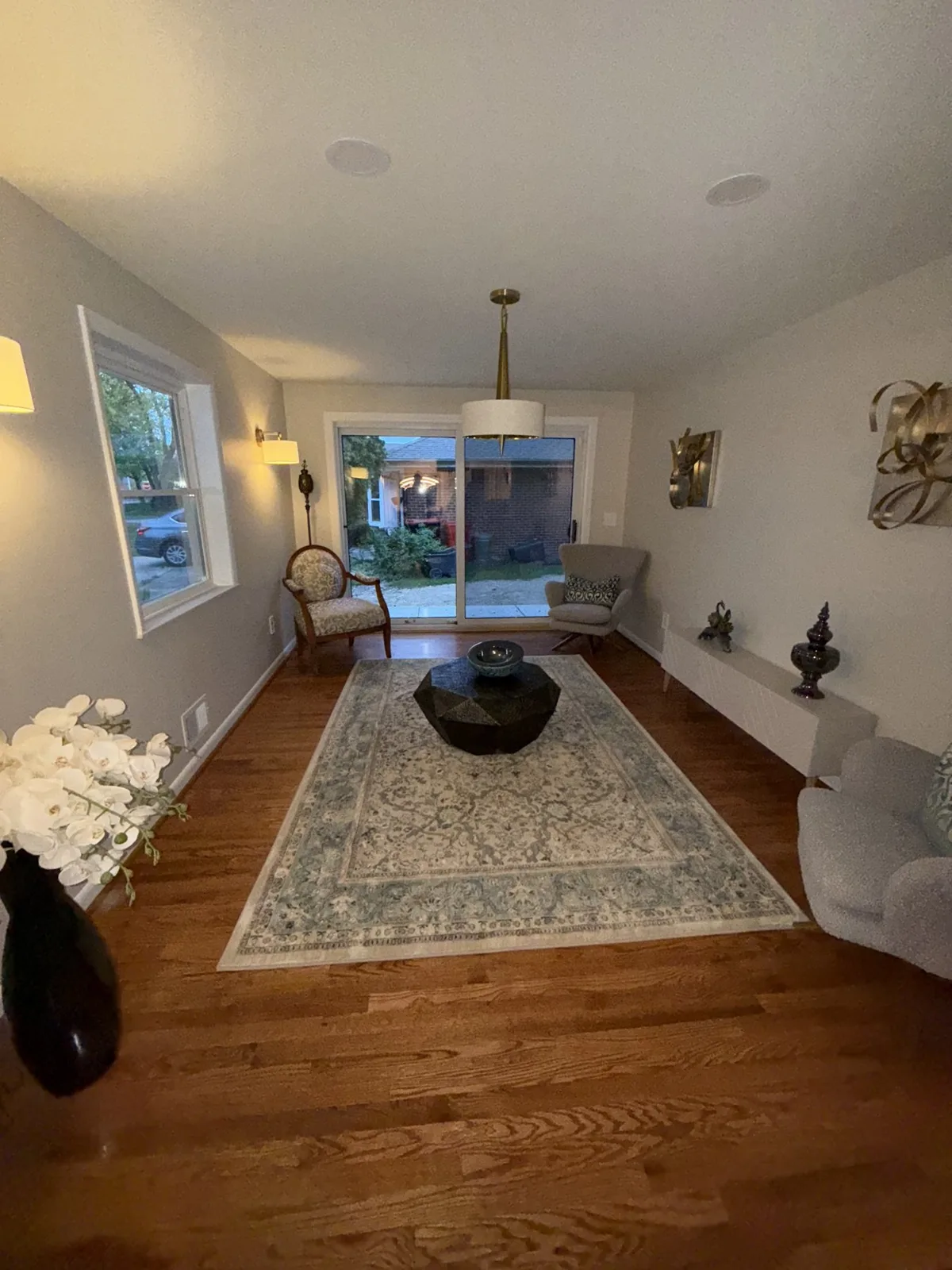
If you're planning a full home renovation in Metro Detroit, the question on your mind is simple: what is this actually going to cost. Working across Wayne, Oakland, and Macomb counties, we can give you real numbers instead of vague ranges, whether you're working with a 203K loan, a cash budget, or a project phased over time.
What Counts as a Full Home Renovation
A full home renovation means touching most or all of the major systems and living spaces in a house, not just one room. That usually includes a kitchen gut and rebuild, one or more bathroom renovations, flooring throughout, fresh drywall and paint, updated electrical and plumbing, and often a look at HVAC and roof condition. A homeowner buying a livable but dated house will have a very different project than an investor doing a full gut rehab on a distressed property. Both count as full renovations, but the costs differ significantly.
Real 2026 Cost Ranges for Full Home Renovations in Detroit
Cosmetic Refresh to Mid-Level Renovation
A cosmetic refresh on a 1,200 to 1,600 square foot home, meaning paint, flooring, fixtures, hardware, and light cosmetic kitchen and bath updates, typically runs $20,000 to $45,000. A mid-level renovation of similar size, with a kitchen remodel, one to two bathroom remodels, new flooring throughout, and some electrical and plumbing updates, runs $50,000 to $90,000.
Full Gut Rehabs and Luxury Renovations
A full gut rehab at investor grade, meaning new electrical, plumbing, and HVAC systems along with kitchen, baths, flooring, and exterior work, runs $60,000 to $120,000. The same scope at homeowner grade, with higher end finishes and custom cabinetry, runs $90,000 to $160,000. A luxury full renovation on a 2,000 plus square foot home, with custom millwork, designer tile, and spa bathrooms, starts around $150,000 and can run past $250,000.
203K FHA Renovation Loan Projects
203K renovation loan projects fall between $40,000 and $150,000, set by a HUD appraisal. The minimum repair amount on a Standard 203K is $5,000 with no upper limit, while a Limited 203K caps at $35,000. Most full home 203K projects we work on land between $45,000 and $120,000 in renovation budget, with total loan amounts between $130,000 and $280,000 depending on purchase price and location. Metro Detroit renovation costs also run 10 to 20 percent below national averages thanks to lower local labor costs, though material costs track the national market closely no matter where you build.
What Drives the Cost Up or Down
Two houses with the same square footage can cost very differently to renovate. Older Detroit homes, especially those built before 1980, often hide knob and tube wiring, galvanized steel water lines, and original plaster, and replacing all of that adds $10,000 to $30,000 to a project that looked simple on paper. Kitchens and bathrooms drive 40 to 50 percent of most renovation budgets on their own: a modest kitchen remodel runs $18,000 to $30,000, a full custom kitchen starts at $40,000, and each bathroom adds $12,000 to $30,000 depending on finish. Structural work, like opening a floor plan or adding a dormer, typically adds another $8,000 to $25,000 once you account for engineering, permits, and framing. Permits run $800 to $2,500 in the City of Detroit and take three to six weeks to approve, while suburbs like Southfield, Farmington Hills, and West Bloomfield usually move in one to three weeks. Finish level matters too: the same floor plan built rental ready versus premium homeowner ready can vary by $30,000 to $50,000, since labor stays roughly the same and materials are what change.
How to Budget Your Renovation Right
Start with a scope first estimate instead of working backward from a number you found online. Walk the home with a licensed contractor and get a detailed written estimate of what the work actually costs, then build your budget around that. Add a 15 to 20 percent contingency, since older Detroit homes reliably turn up surprises like asbestos floor tile or cast iron that needs full replacement. Prioritize systems over cosmetics: a beautiful kitchen sitting on 60 year old electrical is a liability, so roof, electrical, plumbing, and HVAC should come first if budget is tight. And if the full scope doesn't fit your budget, phase it. A solid phase one covering systems, kitchen, and master bath, followed a year later by phase two for the remaining baths, basement, and exterior, is a legitimate strategy.